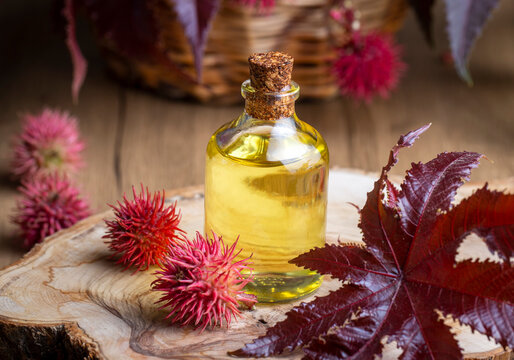
Pale Pressed Grade (PPG) Castor Oil
Explained
Pale Pressed Grade is defined by appearance as much as chemistry. As the name suggests, it is a pale,
well-refined castor oil produced to keep colour low and impurities minimal.
1. What PPG Castor Oil Is
Pale Pressed Grade is a refined castor oil produced from clean castor seed and processed to achieve a light and
consistent appearance.
The grade is particularly useful where colour, cleanliness and consistency are important factors in the final application.
2. How PPG Castor Oil Is Produced
PPG castor oil starts with properly selected and cleaned castor seed. The oil is extracted and then subjected to
refining processes designed to reduce unwanted impurities and improve its colour.
The quality of the raw seed and the control of the refining process both have an important influence on the final
appearance and specification.
3. Typical PPG Castor Oil Specification
The following values are indicative and may vary according to the manufacturer's specification, production process and
customer requirements. The final specification should be confirmed against the batch Certificate of Analysis (CoA).
| Parameter | Typical Value |
|---|
| Appearance | Very pale, clear and viscous liquid |
| Colour | Low / pale colour |
| Acid Value | Approximately 1–2 mg KOH/g |
| Iodine Value | Approximately 82–90 g I₂/100g |
| Hydroxyl Value | Approximately 160–168 mg KOH/g |
| Saponification Value | Approximately 176–187 mg KOH/g |
| Moisture & Volatiles | Maximum approximately 0.25% |
| Specific Gravity @ 25°C | Approximately 0.957–0.961 |
4. PPG vs FPD vs FSG
PPG, FPD and FSG are processed grades of castor oil that differ in processing level and the properties required for
different applications.
| Factor | FPD | PPG | FSG |
|---|
| Processing | Pressed & degummed | Refined for pale colour | Fully refined |
| Colour | Moderate | Very pale | Pale / refined |
| Purity | Good | High | High |
| Typical Use | Industrial applications | Colour-sensitive applications | Premium refined applications |
5. Applications of PPG Castor Oil
PPG castor oil can be used in applications where a clean and pale oil is preferred.
- Cosmetics and personal care formulations
- Textile chemicals
- Specialty lubricants
- Surfactants and chemical intermediates
- Industrial formulations requiring a pale oil
The appropriate grade should always be selected according to the technical requirements of the final application rather
than colour alone.
6. Why Buyers Choose PPG Castor Oil
Buyers generally consider PPG when they require a balance of refined quality, pale appearance and the characteristic
functional properties of castor oil.
For colour-sensitive products, using a pale and consistent raw material can make formulation and quality control easier.
Frequently Asked Questions
What is Pale Pressed Grade castor oil?
Pale Pressed Grade (PPG) is a refined castor oil grade known for its pale colour, clean appearance and low level of impurities.
What is PPG castor oil used for?
It can be used in cosmetics, personal care, textile chemicals, specialty lubricants, surfactants and other applications where
pale colour and refined quality are important.
How is PPG different from FPD?
FPD is generally a pressed and degummed grade, while PPG undergoes additional refining to achieve a lighter appearance
and cleaner final product.